The Environmental Impact of Traditional Charcoal in The Gambia
Understanding the environmental challenges posed by traditional charcoal production and consumption in The Gambia, and how Green Briquettes offers a sustainable solution.
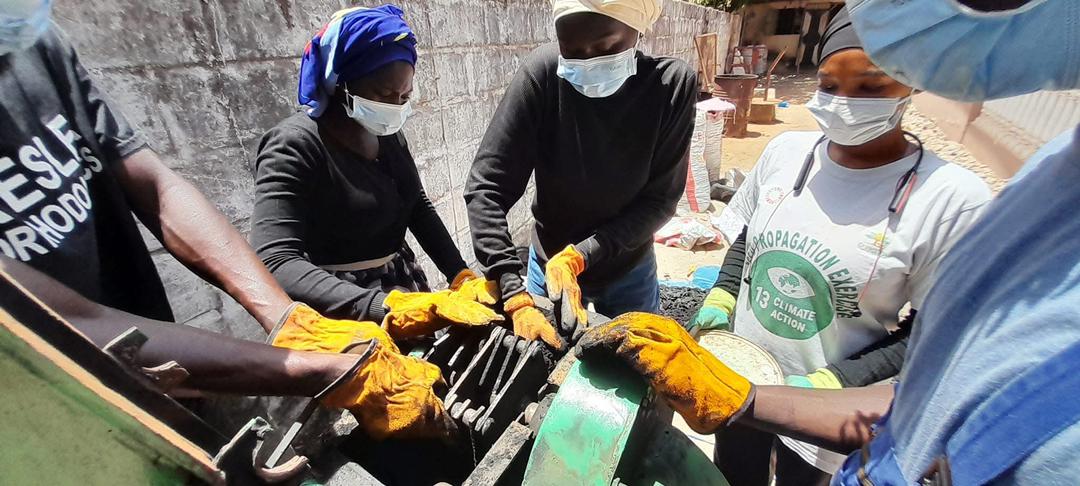
Despite a ban on charcoal production since the 1980s, forest degradation continues to be a significant challenge in The Gambia. The overreliance on fuelwood and charcoal threatens our natural resources, particularly in urban areas like the Greater Banjul Area and Brikama.
Traditional charcoal production contributes to deforestation, soil erosion, and loss of biodiversity. As demand continues to grow, the pressure on our forests increases, creating a cycle that threatens both environmental sustainability and food security.
Green Briquettes breaks this cycle by utilizing agricultural waste—materials that would otherwise be discarded. By converting coconut shells and other residues into high-quality briquettetes, we're not only providing a cleaner alternative but also reducing waste and protecting our forests.
Every ton of Green Briquettes we produce represents a step away from deforestation and toward a more sustainable future for The Gambia.
Related Posts
The Future of Clean Cooking in The Gambia
Looking ahead to the future of clean cooking and how Green Gambia Solutions plans to expand access to sustainable cooking fuel across The Gambia.
Community Impact: Stories from Green Briquettes Users
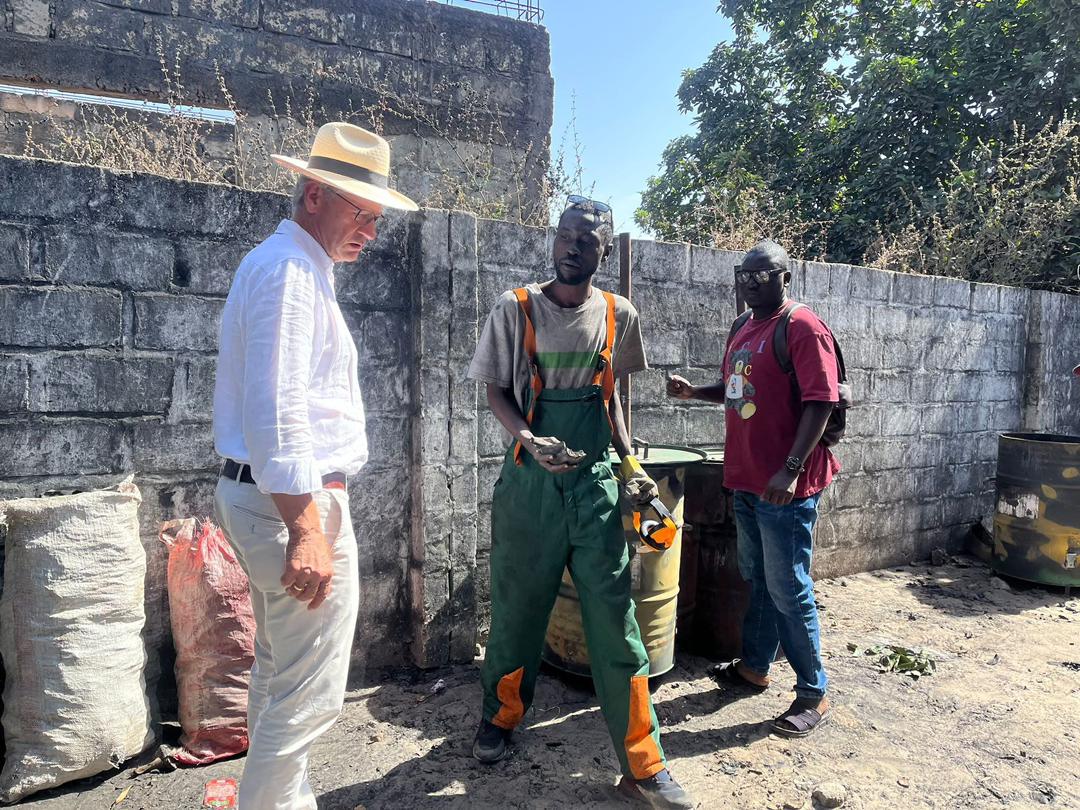
Hear from families across The Gambia who have made the switch to Green Briquettes and experienced the benefits firsthand.
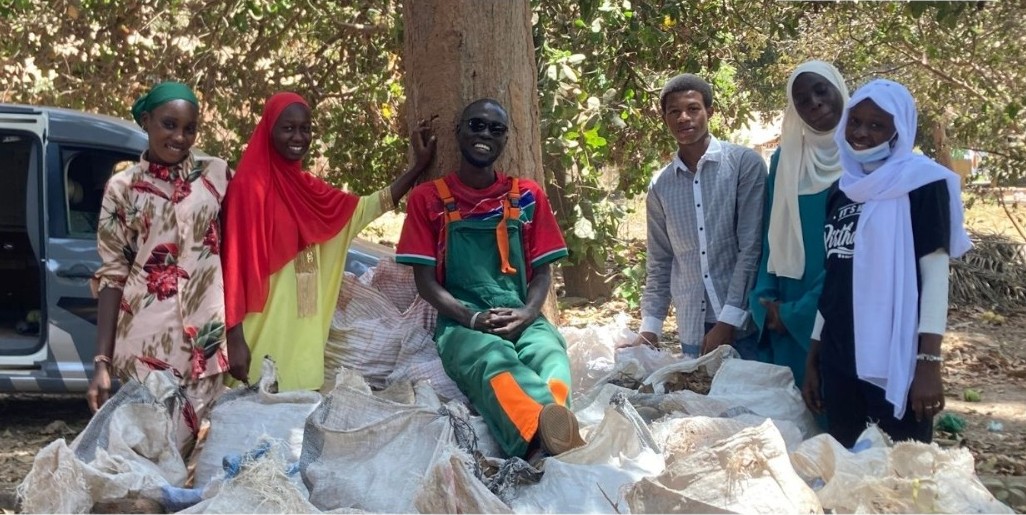
Economic Opportunity: How Green Briquettes Creates Local Jobs
Learn how Green Gambia Solutions' Green Briquettes production creates economic opportunities and supports local communities in The Gambia.